Pocket Paws: My lovely dogs
- 4.5
- Rating
- 500.00K
- Installs
- Free
- Price

 Analysis by App-foxy
I approached Pocket Paws: My lovely dogs expecting a light pet-care game, and that is exactly where it feels most comfortable. It is a free simulation game from Landmark Games Ltd built around looking after dogs, training them, and gradually building a collection of pets. The basic idea is easy to understand, but the appeal comes from the small routine: check in, care for your animals, play with them, and decide how much attention you want to give the next activity.
That simplicity makes it a pleasant choice for short sessions rather than a demanding game that needs constant concentration. I can imagine opening it during a break, completing a few care tasks, and leaving without feeling that I have missed a complicated event. At the same time, players who want a deep management system, competitive challenges, or a story with a strong ending may find the experience too gentle. My overall impression is that this is best viewed as a casual dog-raising game with a collection element, not as a full replacement for a more detailed simulation.
How the current version feels to play
The current release is version 1.3.3, and the game already has a clear identity. Its strongest quality is approachability. You do not need specialist knowledge of dog care or simulation games to understand what to do. The central loop is readable: nurture your pets, spend time with them, train them, and keep working toward a more satisfying group of dogs.
You May Also Like

 AccuWeather: Weather Radar
AccuWeather Review: A Quick, Clear Forecast for Everyday Decisions
For everyday plans, the best forecast is the one you can understand quickly. AccuWeather makes rain timing, radar, and local conditions easy to act on, with a few trade-offs.

 Hill Climb Racing
Why Hill Climb Racing Still Turns Crashes Into One More Run
A tiny car, a bumpy hill and one more upgrade: Hill Climb Racing keeps resurfacing because its simple chaos makes every near-miss feel personal.

 AliExpress - Shopping App
AliExpress Makes Global Shopping Feel Personal, but Shoppers Bear the Risk
AliExpress turns a global marketplace into a pocket-sized discovery engine. Its reach is useful, its shopping loop compelling, and its trade-offs easy to miss.

 Lords Mobile: Kingdom Wars
Lords Mobile Is a Kingdom-Building Routine, Not a Quick Match
A case-by-case verdict on the building, battles, device demands, and social commitments that make Lords Mobile rewarding for some players and exhausting for others.

 PDF Scanner app - TapScanner
TapScanner Makes Paperwork Easier to Capture, Check, and Share
TapScanner makes scanning with a phone feel less like a rescue operation and more like a dependable step in getting work done. Its capture tools are useful, though not flawless.

 Block Blast!
 Shows How Much a Puzzle Game Can Leave Out
A quiet grid game shows why puzzle players increasingly value instant clarity, repeatable skill and low-pressure play—and where the genre still needs to catch up.
More From Our News Desk
View All News


I particularly like the way the care theme gives ordinary actions a little more meaning than a standard idle collection game. A new pet is not simply another icon to unlock and forget. The premise encourages you to treat each dog as something that needs attention. That makes the game more enjoyable when you play in small, regular visits instead of trying to rush through everything in one sitting.
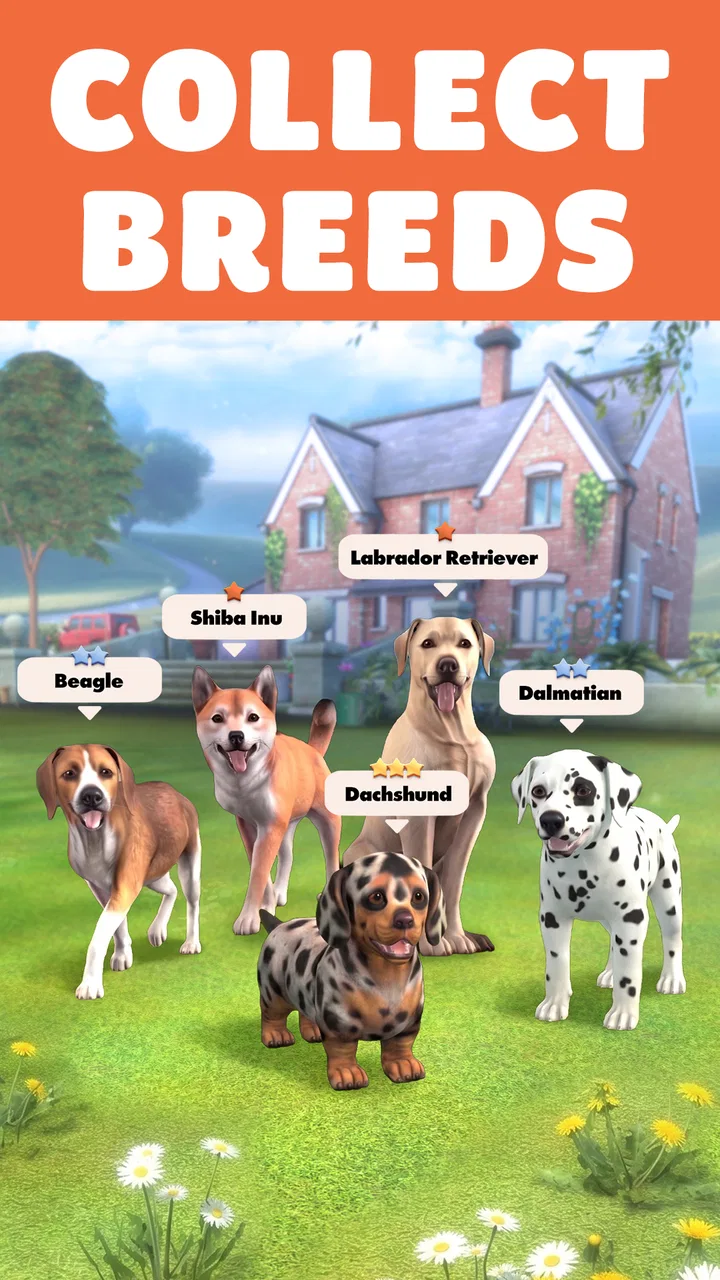
The collection side also gives the experience a useful sense of direction. Even if a single session is short, the idea of discovering or developing more dogs gives you a reason to return. This is a familiar structure in mobile simulation games, but the dog focus makes it warmer and more personal than a game based on abstract resources or buildings.
There is an important difference between “relaxing” and “empty,” though. A relaxed game still needs enough small decisions to keep the player involved. In my experience, Pocket Paws works best when I treat its activities as a daily rhythm: decide which pet deserves attention, use training deliberately, and avoid trying to complete every possible action immediately. That approach makes the routine feel more like caring for a group of animals and less like tapping through a checklist.
A good fit for short, repeatable sessions
This is the kind of game I would recommend to someone who wants a friendly activity that can be picked up and put down easily. It suits players who enjoy collecting, gentle progression, and the satisfaction of improving a virtual pet over time. It also has a broad age appeal, reflected in its Everyone content rating, although younger players may still need guidance around optional purchases.
For an everyday example, imagine having ten minutes before leaving home. Instead of starting a long strategy match, you can check your dogs, give attention to the one you are currently developing, and use that visit to maintain your routine. Later, you can return when you have more time and focus on training or collection goals. That flexibility is one of the game’s practical strengths.
It is less suitable for a player who wants a realistic animal simulator. The game’s appeal is emotional and playful rather than educational. It can encourage the feeling of caring for pets, but I would not use it as a guide to real-world dog ownership. Real dogs do not follow game-like progression, and the simplified structure is part of the entertainment.
Training is more useful when treated as a plan
One of the more useful ways to approach the training side is to avoid spreading your attention too thinly. When a game lets you collect several pets, the temptation is to develop all of them equally. That can make progress feel scattered. I found it more satisfying to choose a main dog for the current stretch of play, then use the other pets as secondary goals.
This does not mean ignoring the rest of the collection. It simply gives each session a purpose. One visit can focus on care, another on training, and another on expanding the group. That small change in mindset helps the game feel more structured without turning it into work.
There is also a trade-off here. Concentrating on one pet may make the collection feel slower, while trying to advance every dog can reduce the sense that any individual animal is developing. Players who enjoy completion will probably prefer a broader rotation, whereas players who like attachment and gradual improvement may get more from focusing on a smaller selection.
What the release history suggests about its direction
The game launched on February 23, 2024, and the current version shows that it has moved beyond its first release. That does not automatically tell me that every earlier weakness has been solved, but it does suggest an active product rather than an abandoned experiment. I see the version number as a sign of continued refinement, not as proof of a particular feature or major redesign.
That distinction matters when deciding whether to install it. A newer version can improve stability, presentation, or the feel of existing systems, but it does not guarantee that the game has become a deep simulation. The core identity remains a casual dog-care and collection experience. Anyone downloading it should choose it for that foundation, not for expectations of a completely different game.
The release facts also help explain why the game feels accessible. It supports devices running Android 7.1 or later, which gives it a relatively broad reach among Android users. I would still check how it feels on an older phone before committing to long play sessions, especially if I planned to keep it installed for months. Compatibility is not the same thing as identical performance on every device.
Landmark Games Ltd has positioned the game in a space where frequent small improvements can matter. In a pet-care title, the details of the routine are important: how quickly actions become repetitive, how clear the feedback feels, and whether returning to the game remains pleasant. Those are the areas I would pay attention to as future updates arrive, because they affect long-term enjoyment more than a single new cosmetic addition.
What existing players should expect from updating
If you already play, I would update with realistic expectations. A current version is worth using because refinements can make the everyday loop smoother, but I would not assume that an update changes your goals or turns the game into a new genre. The safest way to judge an update is to notice whether your normal routine feels clearer, more comfortable, or more rewarding.
For returning players, the best test is simple: choose one familiar care routine and one training routine, then compare how naturally the game supports them after updating. This is more useful than looking only at the version number. A pet game lives or dies by the quality of repeated interactions, so small improvements in clarity can matter even when the overall structure stays the same.
New players should also understand that the free entry point does not mean every part of the experience is free of commercial pressure. In-app purchases range from $0.49 to $124.99 per item. That is a wide range, so I would treat optional spending carefully and set a device-level purchase limit if children might use the game. The game can be approached as a free experience, but the presence of purchases is an important part of the decision.
My advice is to play long enough to decide whether the basic care-and-training loop is enjoyable before spending anything. If the free routine already feels rewarding, an optional purchase may be easier to evaluate calmly. If the routine feels repetitive without spending, paying more is unlikely to fix the underlying mismatch between the game and your preferences.
Where it stands beside other pet and simulation games
Compared with a traditional virtual-pet game, Pocket Paws puts more emphasis on collecting and training several dogs rather than caring for only one constant companion. That gives it more room for variety, but it can also weaken the feeling of a single deep relationship. If you want one pet that feels like a long-term personal project, a more focused virtual-pet alternative may suit you better.
Compared with a full management simulation, this game is much easier to enter and much lighter in its demands. You are not choosing between complicated budgets, production chains, or large-scale planning. That makes it friendlier for casual players, but it also means there is less strategic depth for people who enjoy optimizing systems.
Compared with collection-heavy games, the dog-care theme gives your progress a softer emotional tone. The collection is not just about filling empty spaces; it is connected to nurturing and training. The trade-off is that players who prefer fast battles, rankings, or constant competition may find the pace too quiet.
This comparison helped me understand who should skip it. I would not choose Pocket Paws for a competitive gaming group, a player searching for a realistic training simulator, or someone who dislikes repeating small care actions. I would recommend it to someone who wants a calm mobile game with dogs, gradual goals, and enough structure to make short visits worthwhile.
Small habits that make the routine better
My first practical tip is to decide what kind of session you are having before opening the game. A maintenance session is about checking pets and keeping the routine moving. A progress session is about training or working toward collection goals. Separating those purposes prevents the game from feeling like an endless list of unfinished tasks.
My second tip is to avoid measuring enjoyment only by how many dogs you have collected. Collection games can make players rush toward the next unlock and overlook the care loop that gives the game its personality. Spend time with the pets you already have and notice whether training them is enjoyable on its own. If it is, the collection becomes a bonus rather than the only reason to return.
My third tip concerns purchases: never make a payment simply because a limited moment feels urgent. The listed purchase range includes inexpensive items as well as much larger ones, and that difference is significant. I would decide on a personal spending ceiling before playing, especially on a shared family device. That keeps the game’s relaxing tone from being undermined by an impulsive transaction.
A fourth useful habit is to play on a schedule that matches your attention span. If you only have a few minutes, focus on one clear task. If you have a longer break, use it to explore training and collection choices. This prevents overplaying, which can make any repeated simulation loop feel dull faster than intended.
The gaps that still shape the experience
The biggest limitation is the risk of repetition. Caring for pets is naturally repetitive, and the game’s success depends on whether those repeated actions continue to feel pleasant. Players who need constant novelty may reach the limits of the routine sooner than players who enjoy quiet progression.
The second limitation is depth. The game gives you a friendly framework for nurturing, training, and collecting, but it is not the right choice if you want complex consequences or detailed long-term planning. Its simplicity is an advantage for accessibility and a weakness for players who want every decision to have a large strategic effect.
The third limitation is the balance between attachment and collection. More pets can make the experience feel richer, yet a larger group can also make individual attention feel less meaningful. I think the game works best when you accept that compromise instead of expecting it to provide both a deeply personal single-pet bond and a huge collection system at the same time.
There is also the question of spending. Free access is helpful, but optional purchases can change how different players experience progression. Someone comfortable ignoring them may enjoy a relaxed game, while someone sensitive to purchase prompts may find the commercial layer distracting. That is not a reason to reject the game automatically, but it is a reason to approach it with clear boundaries.
What I would watch in future updates
If I were following the game over time, I would watch how Landmark Games Ltd handles variety in the daily routine. New ways to make care and training feel distinct would matter more to me than simply adding more items to collect. The strongest updates would give existing players fresh reasons to interact with their pets without making the game harder to understand.
I would also look for improvements that help players manage a growing collection. As the number of dogs increases, organization becomes more important. Clear ways to identify priorities, remember which pet needs attention, and understand training progress would protect the game from becoming cluttered.
Another area worth watching is the relationship between free play and purchases. The free experience should remain satisfying enough for players to understand the game before they decide whether to spend. Transparent presentation and sensible purchase boundaries would be especially important because the game carries an Everyone rating and may attract younger players.
The version history is encouraging in the limited sense that the game has continued to receive development since launch, but I would judge its future by how well it preserves the central charm. More content is not automatically better if it makes the routine noisy or turns care into pressure. For me, the ideal direction would keep the gentle dog-focused identity while adding meaningful variety and better long-term reasons to return.
My recommendation for different kinds of players
I would recommend Pocket Paws to someone who likes dogs, casual simulation games, and collection systems that can be enjoyed in short visits. It is especially appealing if you want a game that feels friendly rather than competitive and if you enjoy creating your own routine instead of following a demanding campaign.
I would be more cautious recommending it to a player who expects a detailed simulation of real dog ownership. The game uses pet care as a playful structure, not as a realistic training course. I would also point competitive players toward another category, because the quiet pace and personal collection focus are unlikely to satisfy someone looking for battles or rankings.
For families, the Everyone rating makes the game broadly approachable, but I would still discuss in-app purchases before handing it to a child. The free price makes trying it easy, while the purchase range means responsible device settings are sensible. That small amount of preparation can prevent an otherwise harmless pet game from creating an unwelcome surprise.
After spending time with it, I see the game’s value in its modesty. It does not need to overwhelm you with systems to make a short visit enjoyable. Its best feature is the calm, repeatable feeling of looking after a group of virtual dogs while giving yourself small collection and training goals. The experience is not perfect, and its repetition and limited depth will matter to some players, but those weaknesses are easier to accept when you want exactly this kind of gentle simulation.
With an average rating of 4.8 from around 3.7 thousand ratings and more than 100 thousand installs, it has clearly found an audience. I would still make the decision based on the play style rather than the numbers: try it if nurturing and collecting sound relaxing, skip it if you need complexity or competition, and keep spending firmly under your control. For the right player, Pocket Paws is a pleasant little dog-care routine that earns its place on a phone through consistency rather than spectacle.
FAQs for Pocket Paws: My lovely dogs
01What is Pocket Paws: My lovely dogs?
Pocket Paws: My lovely dogs is a virtual pet simulation game available on Android and iOS, where players can adopt, care for, and interact with a variety of adorable dog breeds. The game offers customization options, daily challenges, and a community for sharing experiences with other dog enthusiasts.
02How does the customization feature work in Pocket Paws?
In Pocket Paws, you can personalize your pet’s appearance and environment. Players can choose from a range of outfits, accessories, and furnishings to create a unique home for their dogs. The game frequently updates with new items, allowing for endless customization possibilities that keep the experience fresh and engaging.
03Are there in-app purchases in Pocket Paws?
Yes, Pocket Paws includes in-app purchases. While the game is free to download and play, players have the option to buy premium items, currency, or special features. These purchases can enhance gameplay but are not necessary to enjoy the game, as all essential features are accessible without spending money.
04Is Pocket Paws suitable for children?
Pocket Paws is designed to be family-friendly, making it suitable for children and players of all ages. It offers a safe and interactive environment where users can learn about responsibility and pet care in a fun and engaging way. Parents can set restrictions on in-app purchases if needed to ensure a safe experience for younger players.
05What kind of community features does Pocket Paws offer?
Pocket Paws includes several community features that allow players to connect with each other. Users can join clubs, participate in events, and share their pet care experiences. The game also hosts regular competitions and challenges that encourage interaction and collaboration, fostering a vibrant community of dog lovers.
Pros
- Intuitive interface for easy navigation.
- Adorable graphics that appeal to all ages.
- Diverse dog breeds to collect and care for.
- Engaging mini-games enhance gameplay.
- Regular updates with new content.
Cons
- In-app purchases can be pricey.
- Requires a constant internet connection.
- Occasional ads interrupt gameplay.
- Limited offline functionality.
- Some features locked behind paywalls.

Pocket Paws: My lovely dogs
Gallery